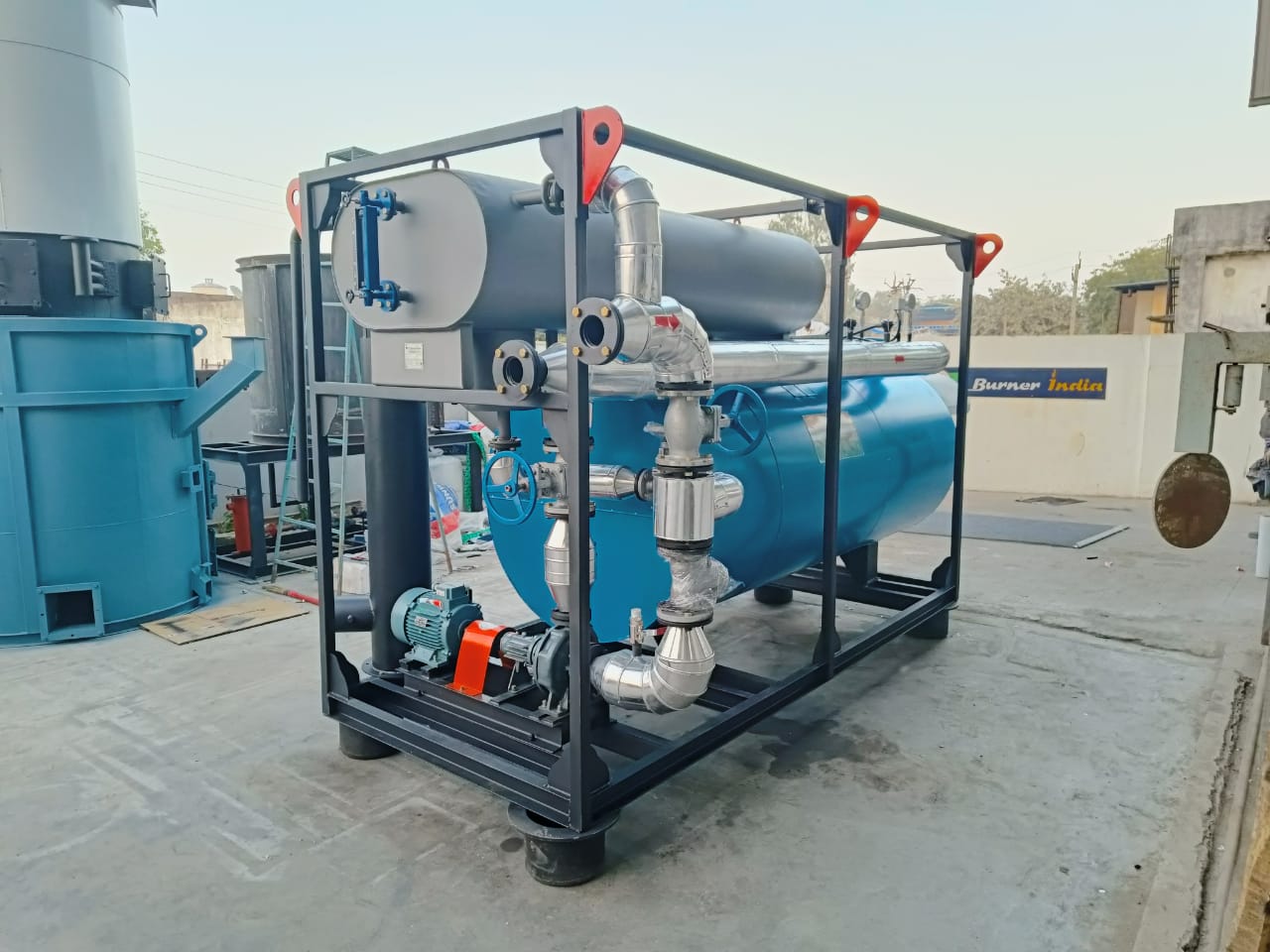
A Hot Thermic Fluid Heater (thermal oil heater) is an industrial heating system that circulates a specialized heat-transfer fluid at high temperatures under low operating pressures. Unlike steam boilers that require high pressure to reach high temperatures, thermic fluid heaters can operate up to 300°C to 350°C at near-atmospheric pressure, drastically reducing explosive risks and structural costs.
HEATING CAPACITY
100k–500k kcal/hr
MAX TEMP
320°C
FUEL
LDO / HSD / Gas
A Hot Thermic Fluid Heater (also known as a thermal oil heater) is an industrial heating system that circulates a specialized heat-transfer fluid at high temperatures under low operating pressures. Unlike steam boilers that require high pressure to reach high temperatures, thermic fluid heaters can operate up to 300°C to 350°C at near-atmospheric pressure, drastically reducing explosive risks and structural costs.
The Atlas Thermic Fluid Oil Heater utilizes advanced combustion technology and a multi-pass heat exchanger design, delivering exceptional thermal efficiency of 88% to 92% (with air pre-heaters or economizers). The fully automatic PLC control system monitors and adjusts temperature, fuel flow, and combustion parameters for optimal performance.
The thermal fluid follows a closed-loop cycle. The basic loop configuration is:
The fluid is heated in the heater, circulated through the process equipment (tanks, mills, or other heat exchangers), and returned to the heater for reheating in a continuous closed-loop cycle.
| Parameter | Standard Industrial Specifications |
|---|---|
| Heating Capacity | 100,000 kcal/hr to 15,000,000 kcal/hr+ |
| Operating Temperature | 150°C to 320°C (Standard mineral oils) / Up to 400°C (Synthetic fluids) |
| Operating Pressure | 2 bar to 5 bar (Just enough to overcome pipe friction) |
| Thermal Efficiency | 88% to 92% (With air pre-heaters or economizers) |
| Fuel Compatibility | Diesel, Heavy Oil, Natural Gas, LPG, Solid Fuels (Coal, Wood, Biomass) |
| Construction Standards | ASME Section VIII, EN 13445, or local codes (like IBR in India) |
Forced draught burner with precise air-fuel ratio control for maximum thermal efficiency and low emissions.
Precisely wound multi-start helical coils absorb radiant and convective heat from the burner flame for superior heat transfer.
Optional remote monitoring of temperature, fuel consumption, and burner performance for predictive maintenance.
Flame failure, over-temperature, low flow, and high-pressure interlocks ensure safe operation.
Compatible with LDO, HSD, natural gas, LPG, and solid fuels (coal, wood, biomass). Dual-fuel configurations available.
On-site commissioning, burner tuning, and spare parts support across 30 countries.
The Thermic Fluid Oil Heater is the preferred heating solution for a wide range of industrial applications:
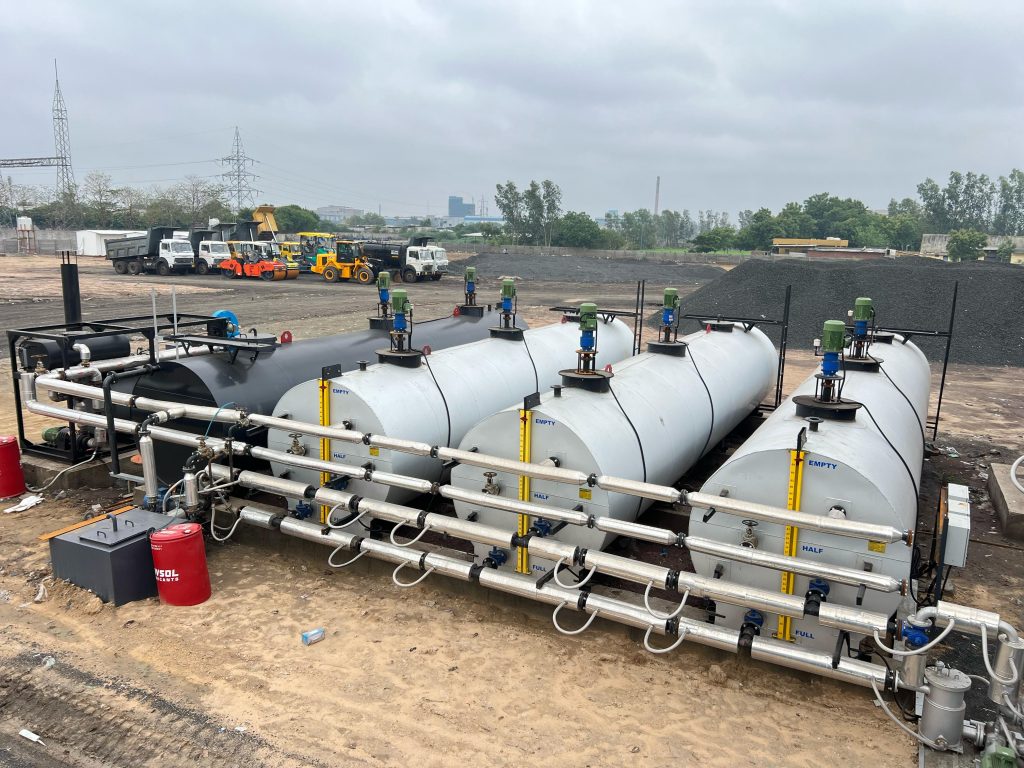
Keeping bitumen tanks and lines fluid at 160°C–180°C for continuous operation.
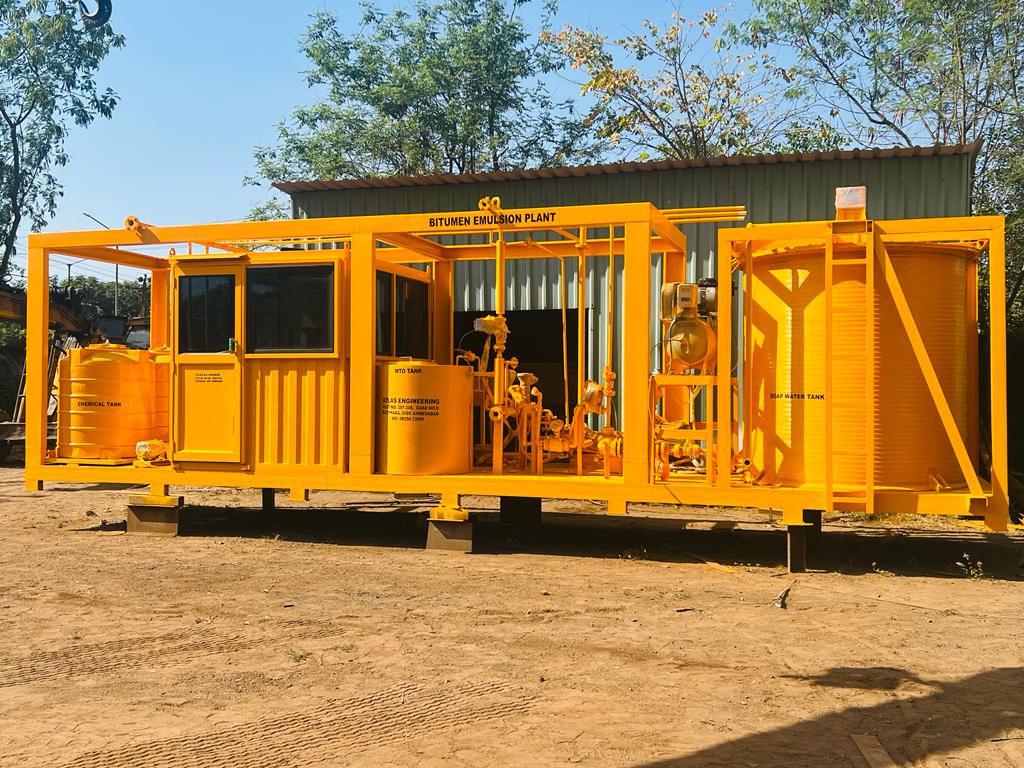
Integrated heating for emulsion plants, providing consistent high-temperature fluid for colloid mills and lines.
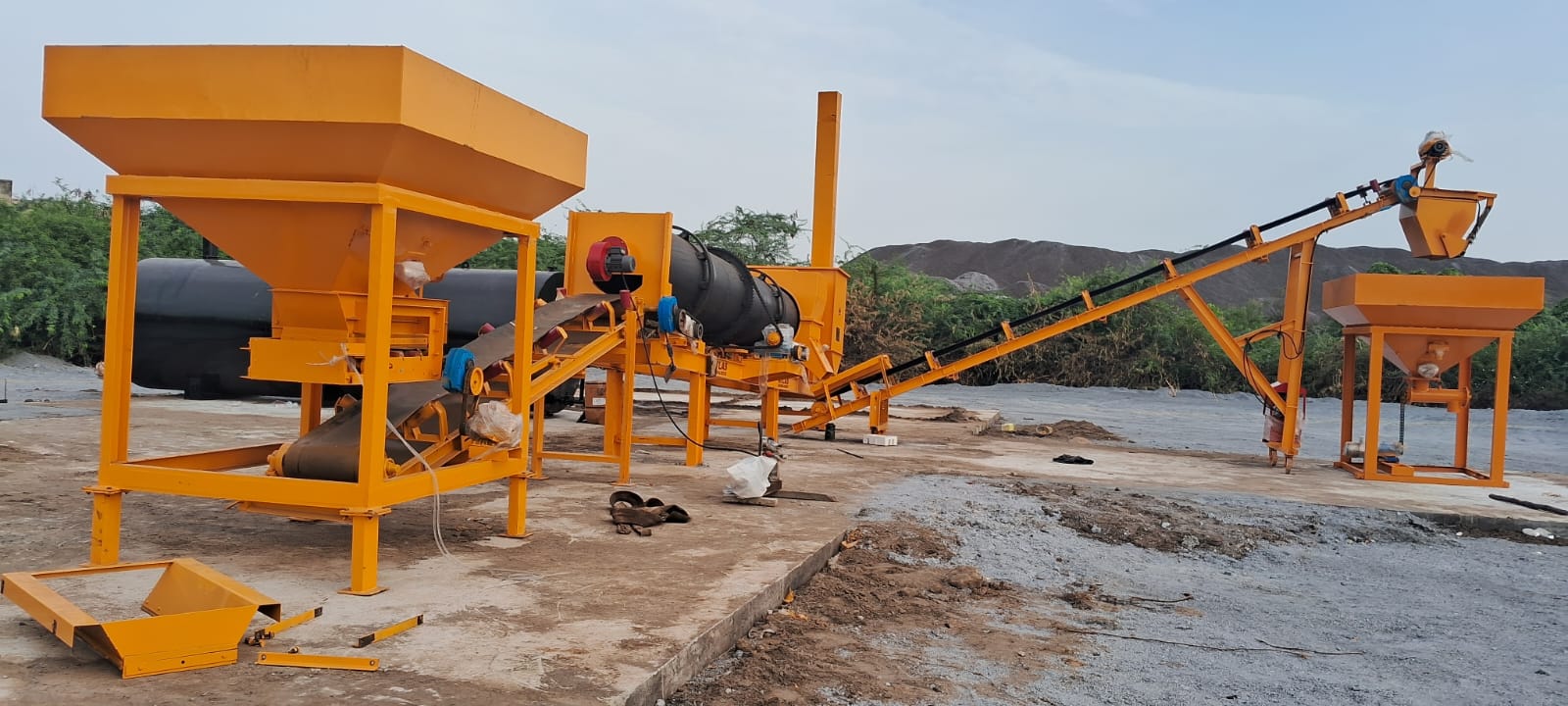
Heating of thermic fluid circuits in asphalt drum mix and batch mix plants for aggregate drying.
Large-scale heating for storage terminals and distribution centers handling viscous products.
The heater is compatible with LDO, HSD, natural gas, LPG, and solid fuels (coal, wood, biomass). Dual-fuel options are also available for operational flexibility.
Standard models achieve up to 320°C outlet temperature using mineral oils. Higher temperature configurations (up to 400°C) are available with synthetic fluids.
Thermal efficiency is up to 92% for liquid fuels (LDO/HSD) and 94% for gas-fired operation with air pre-heaters or economizers, significantly reducing energy costs.
Yes, the heater is designed for 24/7 continuous operation with automated controls, robust construction, and built-in safety systems for long-term reliability.
Thermic fluid heaters operate at near-atmospheric pressure even at high temperatures (300°C–350°C), drastically reducing explosive risks and structural costs compared to high-pressure steam boilers.
Get a tailored quote for your capacity, fuel type, and temperature requirements.